Getting my SEP(sea) rating
| 4 minutes read, 655 wordsEver since we did a short seaplane flight in Alaska in 2018, I’ve wanted to get the seaplane rating. I did a seaplane intro flight in 2023, but haven’t found the time or place to do the actual checkout. Until now.
As a part of our summer vacation this year, I managed to do the entire SEP(Sea) course and the skill test – coming home with a brand new class rating.
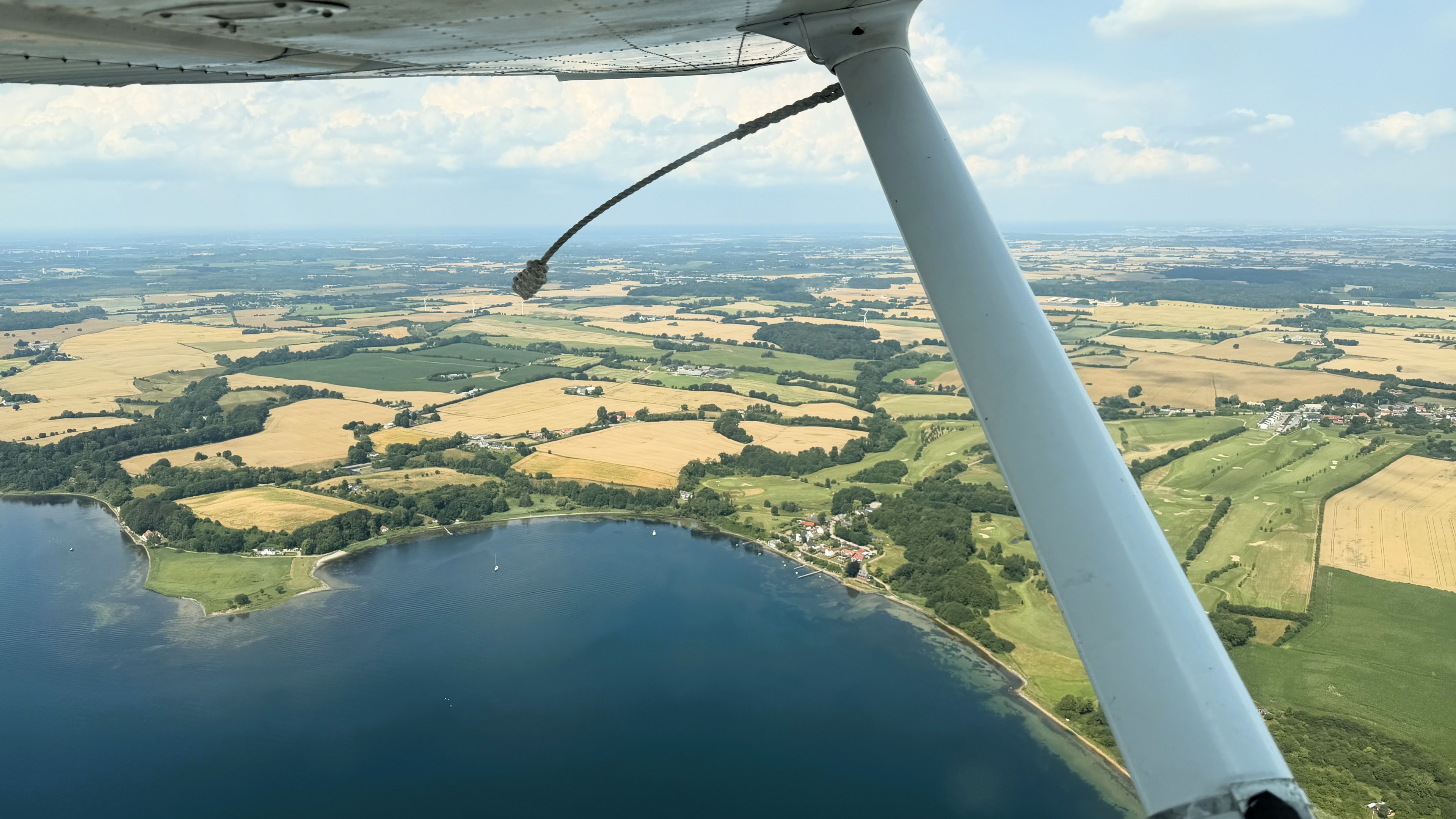
Baltic Seaplane and the Flensburg fjord
The ATO I went to is Baltic Seaplane, which operates out of Padborg airport in southern Denmark – right next to the border to Germany. The actual training took place on the other side of the border in the Flensburg fjord.
The training aircraft was a Cessna 172 with amphibious floats – which means I’ve flown a Cessna 172 with retractable gear!
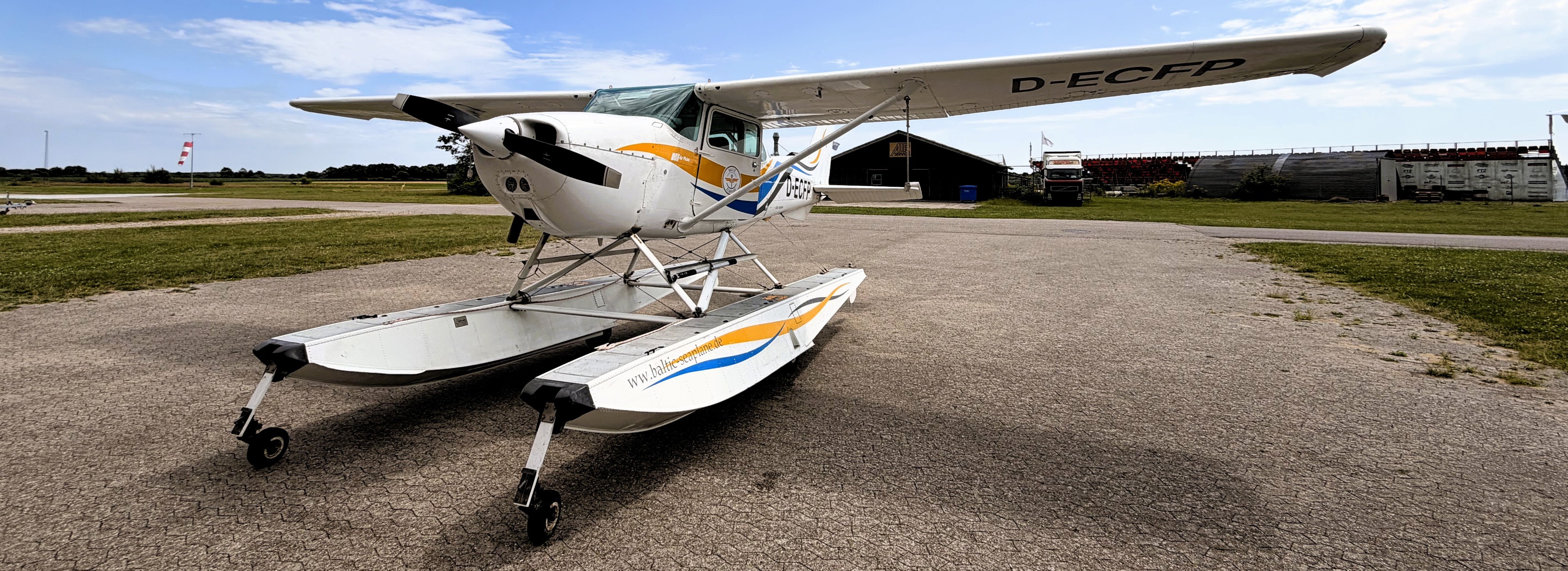
Strange being back in the “student seat”
I’ve done a lot of instruction during the last 12 months, and it’s been a while since I last was a student myself. Now I suddenly found myself in the same spot as I’ve put several of my own students – sweating in the heat in the left seat.
Hot summer days and sweating aside, was it fun? It sure was! I thoroughly enjoyed all of it! And I’m pretty sure it has made me a better instructor as well.
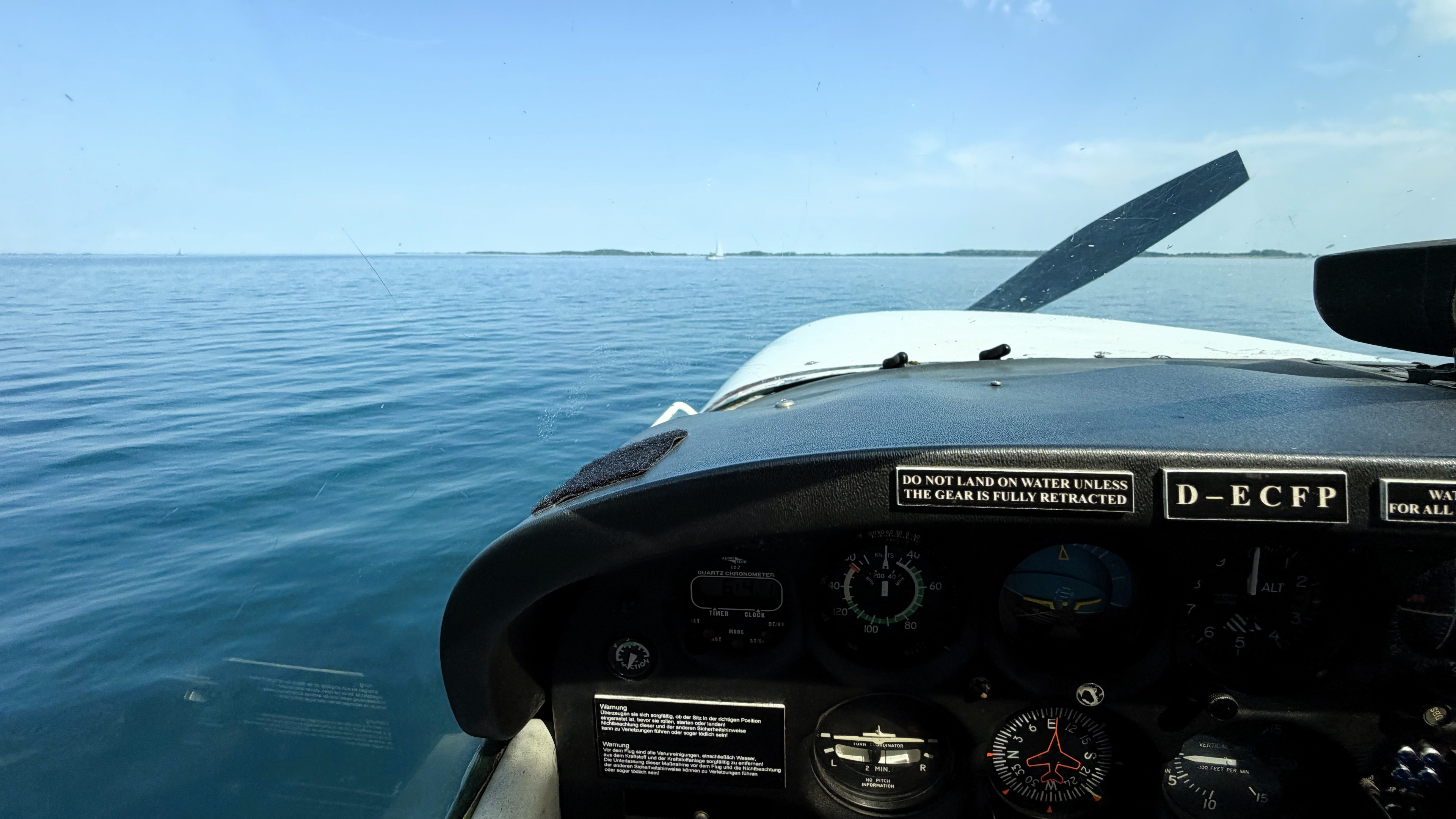
Sitting on the water, in an airplane, just floating with the wind. It is surreal.
If you haven’t tried seaplane flying yet, go ahead and book a seaplane flight right away – you won’t regret it!
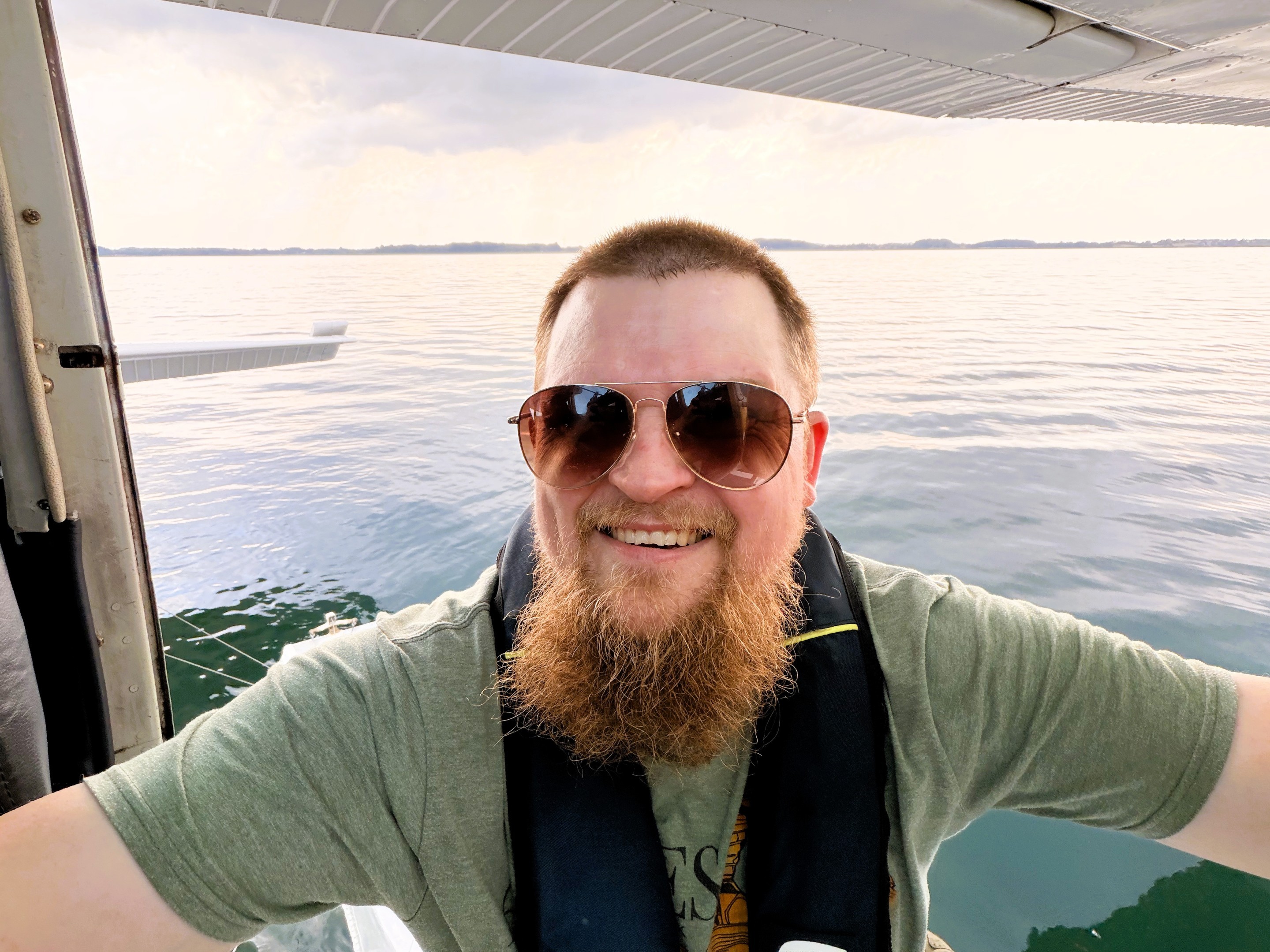
Splash and go
Just as we do touch and go on land, we did splash and go in the seaplane. I had a lot of those. And also a couple touch and go on the return back to the airport. Landing the amphibious 172 on land, felt almost more unfamiliar than landing on water – due to the floats the cockpit sits so much higher over the ground than I’m used to. The floats are stiff. There simply are no flexibility or dampening. At all.
This of course applies to all landings, both on sea and land. But it is so much more noticeable on land. The gear was another factor, you of course don’t want to land gear up on land. But landing gear down on water is so much more dangerous. Which is why you have four LEDs on the gear selector panel, a female voice telling you “Gear is up for water landing”, a male voice telling you “Gear is down for runway landing”, and visual indicators for the gear position on both floats.
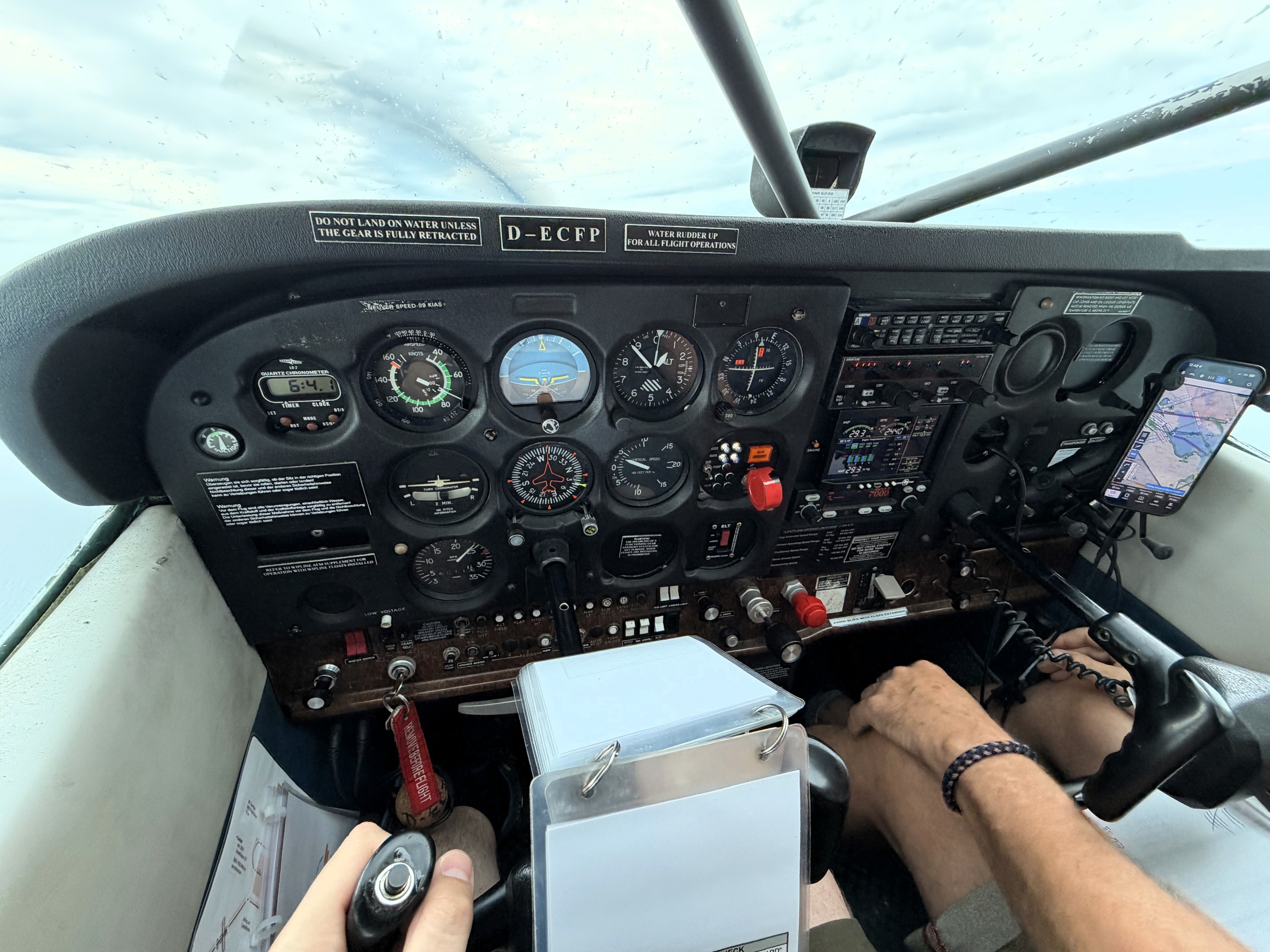
Wind is never the same again
After nine hours of constantly judging the wind, wind is never going to be the same again.
It also taught me a valuable lesson about confirmation bias. I was absolutely certain that the wind was coming from one direction, but all signs pointed in the exact opposite direction. It simply didn’t make sense, so it took a couple minutes of complete confusion before I finally trusted what my eyes observed – instead of what my mind had decided.
Spending a couple minutes extra in the air however, is vastly better than landing with tailwind on water.
Would I do it again?
Absolutely! 100%! It was fun getting a bit out of the comfort zone, learn something new, and experience a very different kind of flying.
If you have the chance to do the same, do it!
Could I have done it in Norway? Probably. But this was easier to combine with our family vacation.
Now it’s time to figure out how I can actually use my new rating… There aren’t exactly a lot of seaplanes available to rent around.
Cost
| Item | Local currency | Cost in NOK | Comments |
|---|---|---|---|
| Course fee, including everything | EUR 4428 | 49 048,96 | Including skill test |
| Fee to Transportstyrelsen | SEK 1680 | 1 660 | |
| NOK 50 708,96 |
Image galleries

